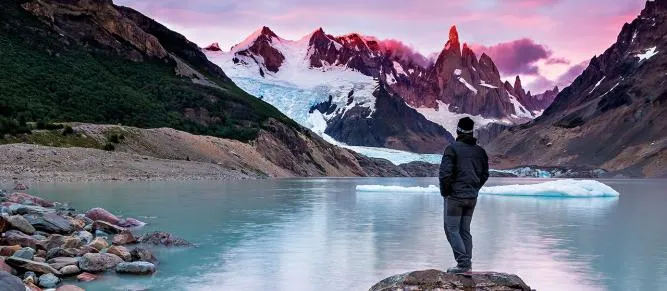
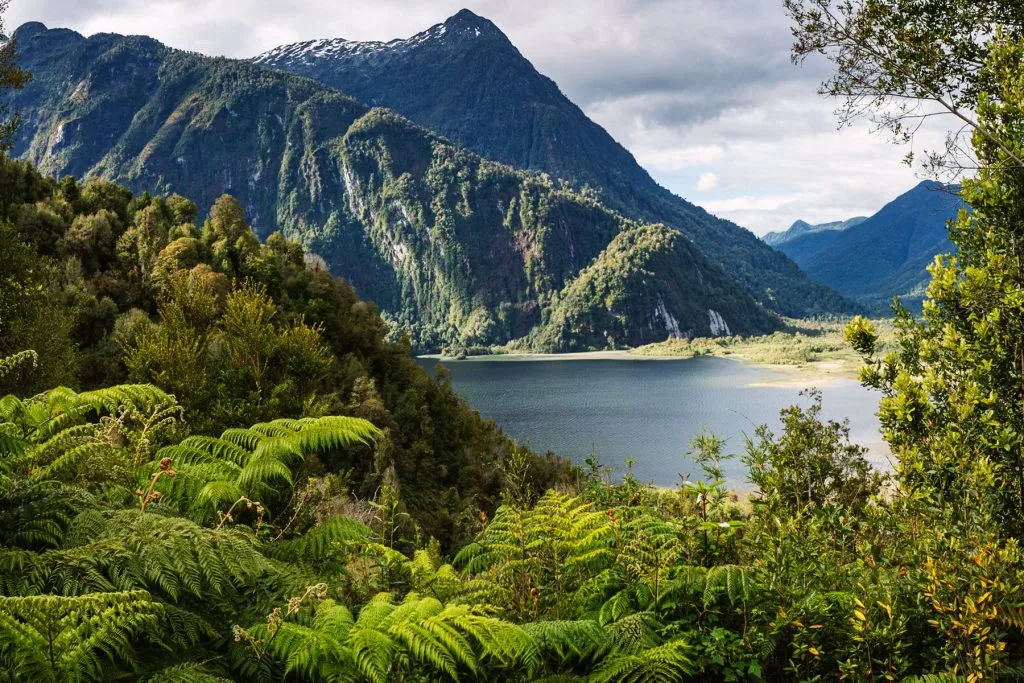
There are places on this planet that feel like they belong to another world—where landscapes stretch endlessly, where nature remains untamed, and where the sheer vastness humbles even the most seasoned traveler. Patagonia, the wild and breathtaking region spanning Chile and Argentina, is one of those places. Rugged peaks, shimmering glaciers, wind-swept steppes, and turquoise lakes come together to create a paradise for adventurers, nature lovers, and those seeking the raw beauty of the Earth’s edge.
Why Visit Patagonia Now?
Patagonia is still a destination for the bold and the brave, but with its increasing popularity, its untouched wilderness may not remain so forever. Climate change is altering the glaciers, tourism is slowly growing, and remote lodges are filling up faster than ever. Now is the perfect time to experience its surreal beauty before the crowds arrive and before its landscapes change forever.
Best Places to Visit in Patagonia
1. Torres del Paine National Park (Chile)
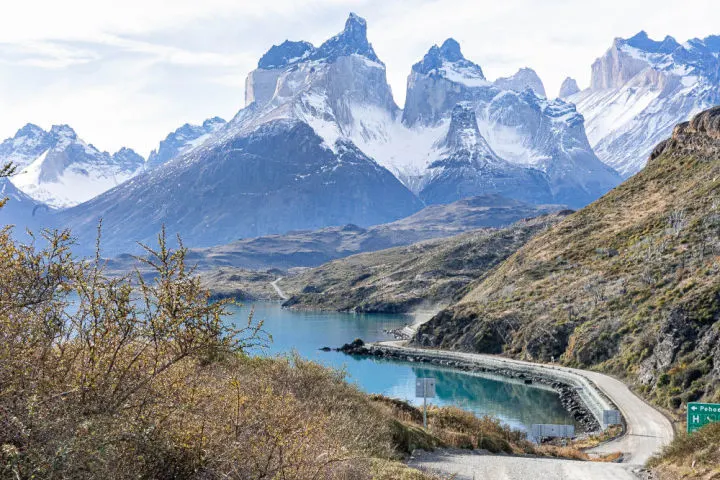
If there is one image that defines Patagonia, it’s the jagged peaks of Torres del Paine, rising sharply from emerald valleys. This UNESCO Biosphere Reserve is a haven for hikers, with iconic trails such as the W Trek and the O Circuit offering once-in-a-lifetime views.
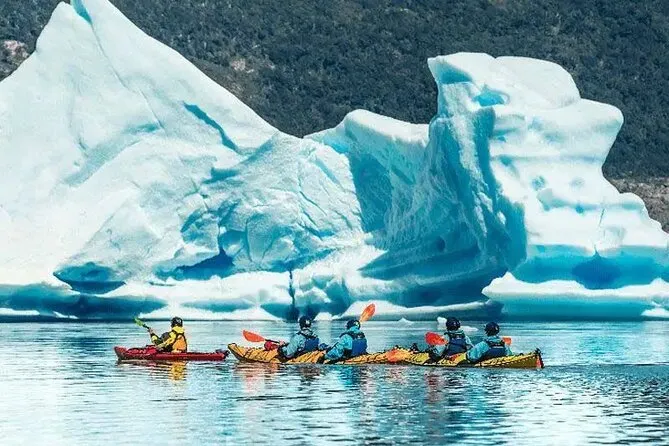
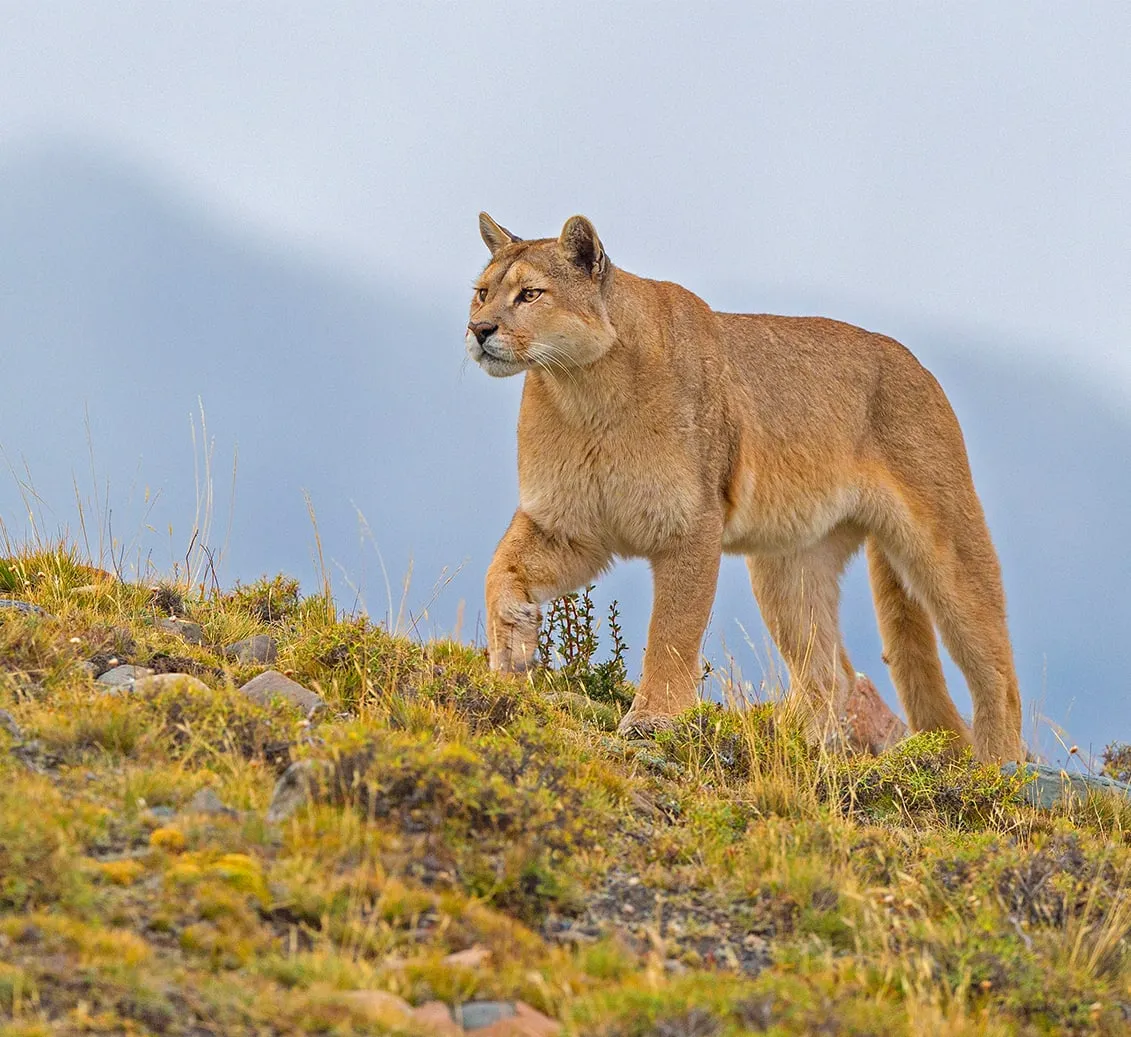
Top Experiences: Hike to the Base of the Towers, kayak among icebergs on Grey Lake, spot guanacos and pumas in the wild.
Best Time to Visit: October to April (Patagonian summer for the best trekking conditions).
2. Perito Moreno Glacier (Argentina)
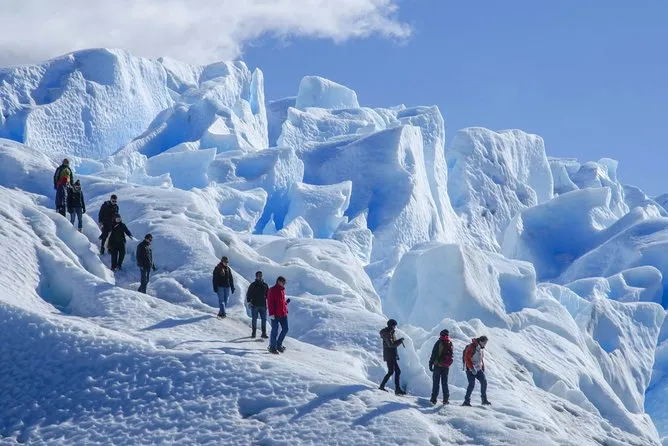
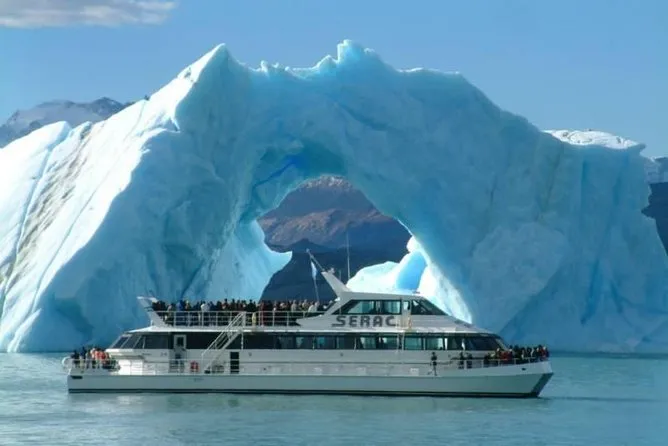
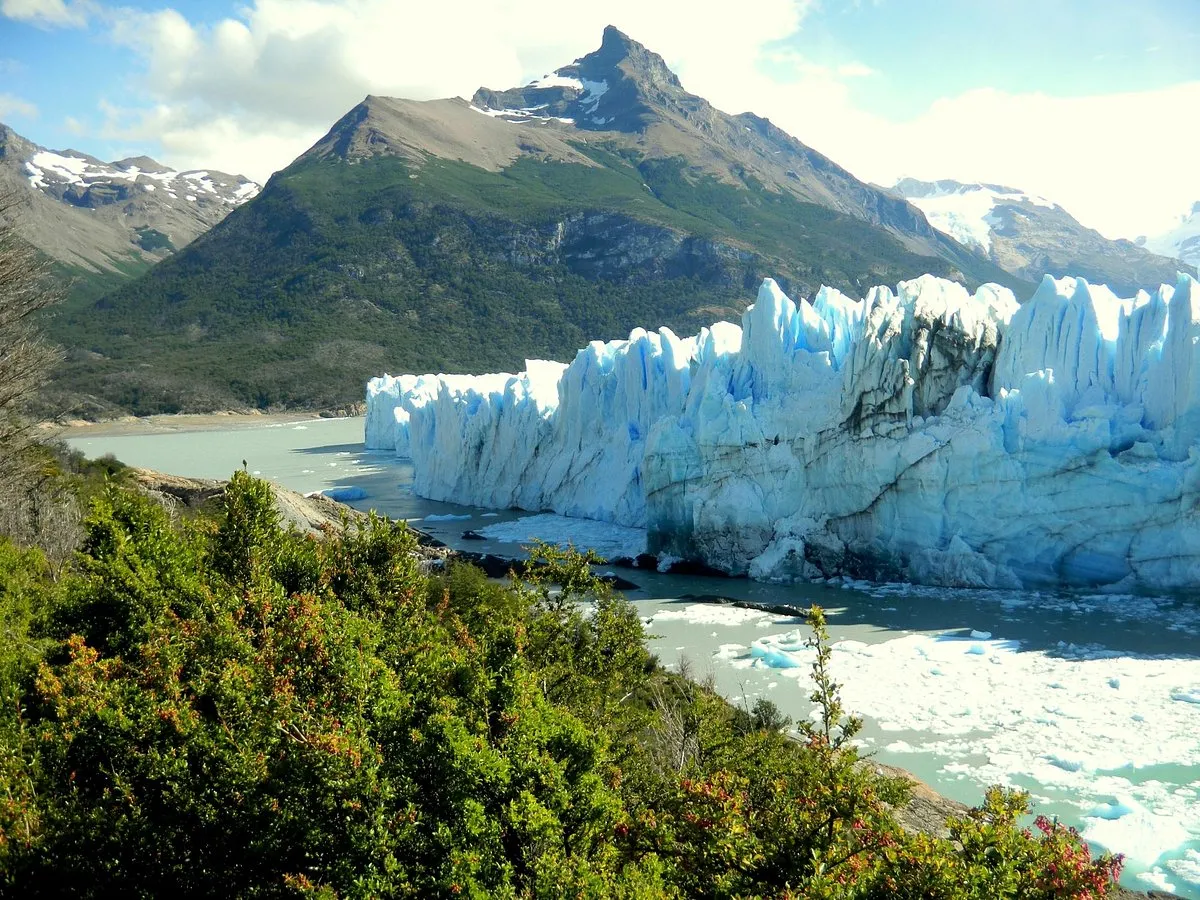
Imagine standing in front of a towering wall of ice, listening to the thunderous crack as a chunk breaks off and crashes into the water below. The Perito Moreno Glacier, one of the few advancing glaciers in the world, is a mesmerizing sight. Visitors can explore it via boat, trek across its icy expanse, or simply marvel from the viewing platforms.
Top Experiences: Glacier trekking, boat tours, and the thrilling “glacier rupture” event.
Best Time to Visit: November to March for comfortable weather and clear skies.
3. El Chaltén – Argentina’s Hiking Capital
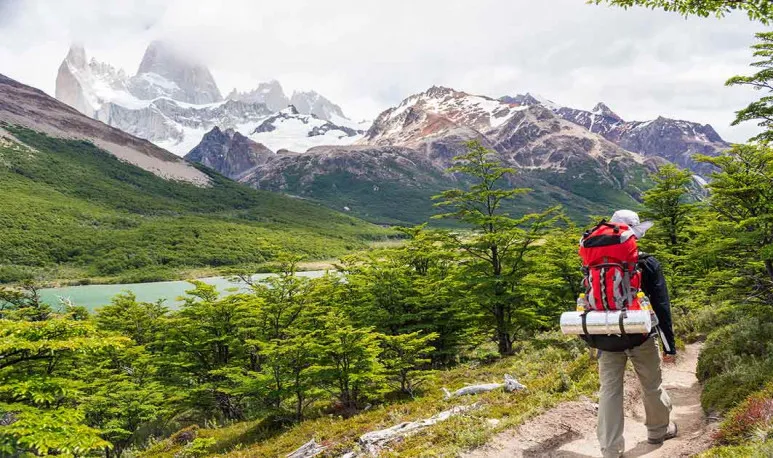
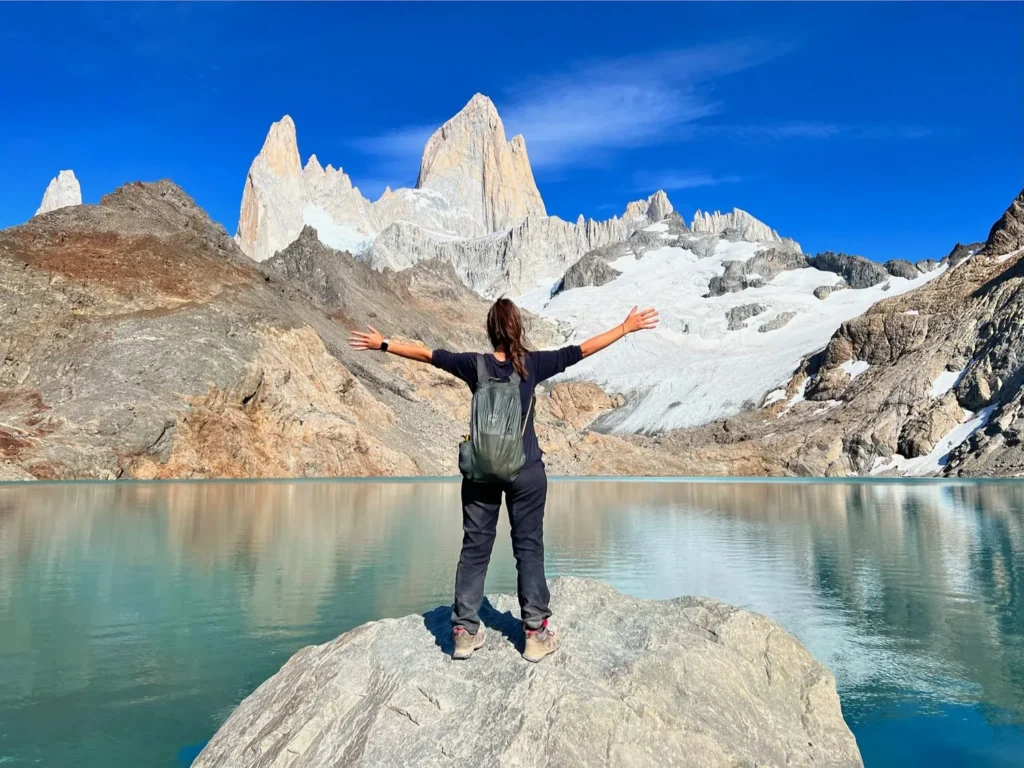
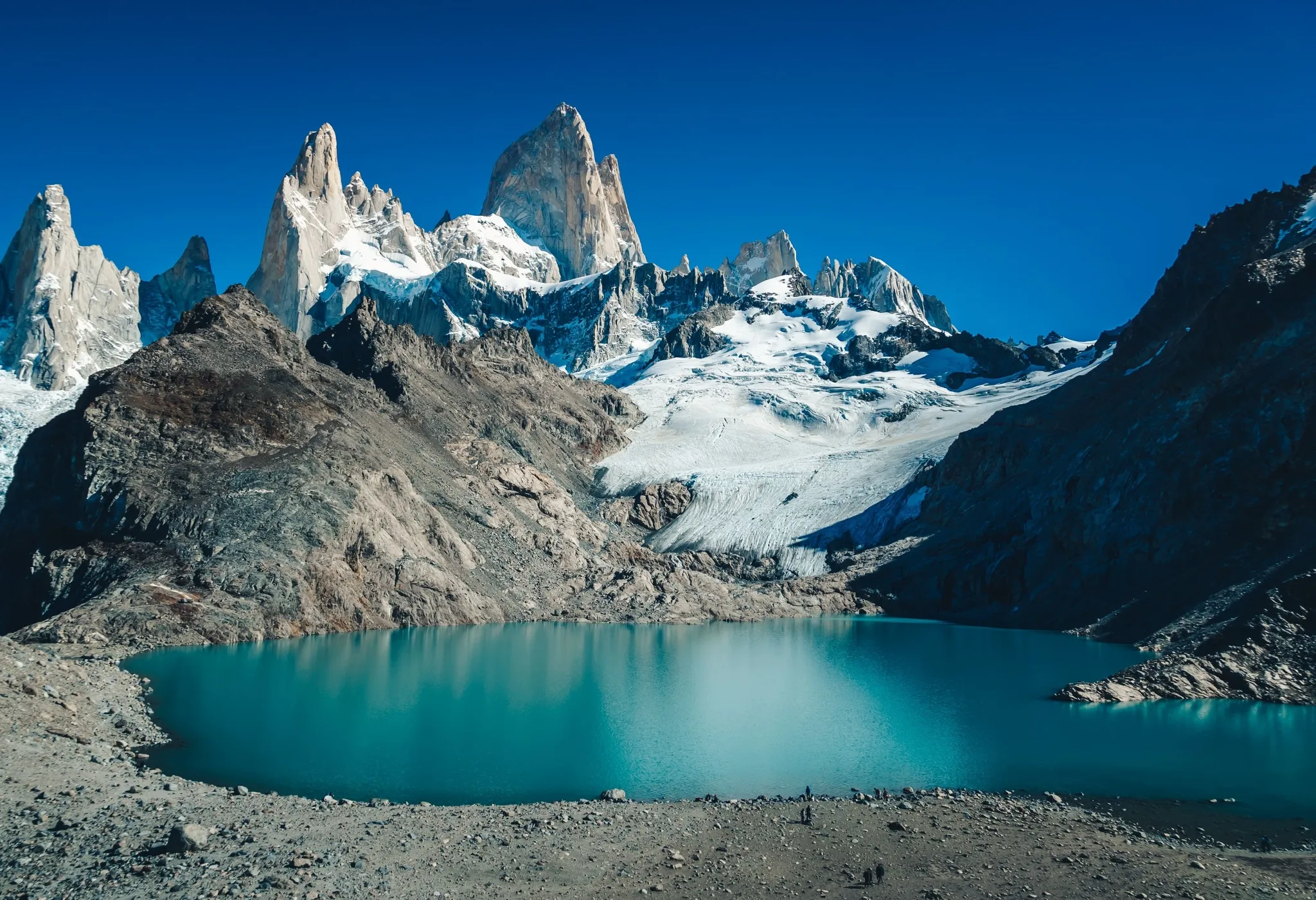
A charming mountain town nestled beneath the mighty Fitz Roy, El Chaltén is a hiker’s paradise. Unlike Torres del Paine, where multi-day treks require reservations, here you can step out of your hotel and directly onto breathtaking trails.
Top Hikes: Laguna de los Tres, Laguna Torre, and Loma del Pliegue Tumbado.
Best Time to Visit: December to February for long daylight hours and warm temperatures.
4. Ushuaia – The End of the World
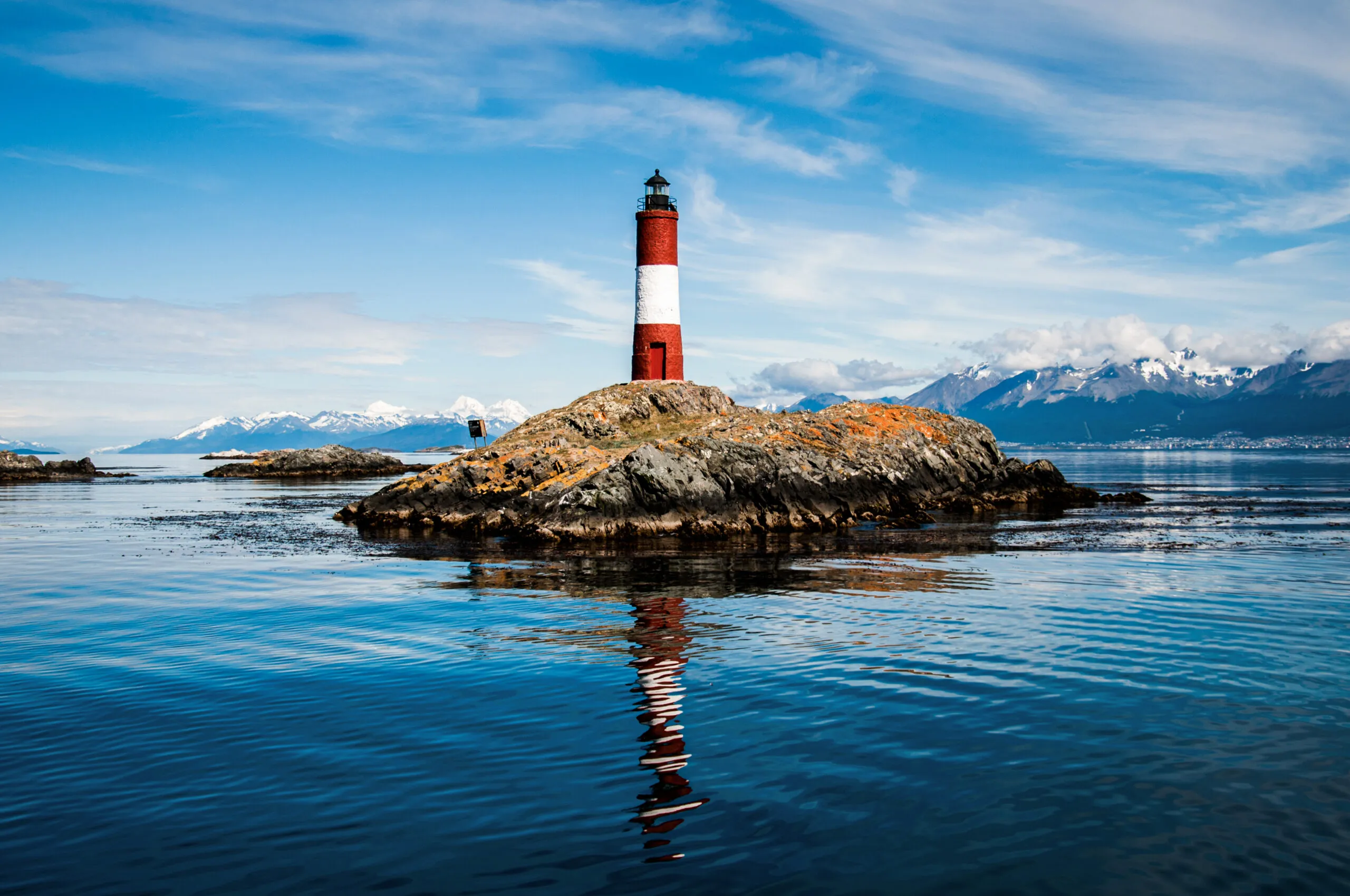
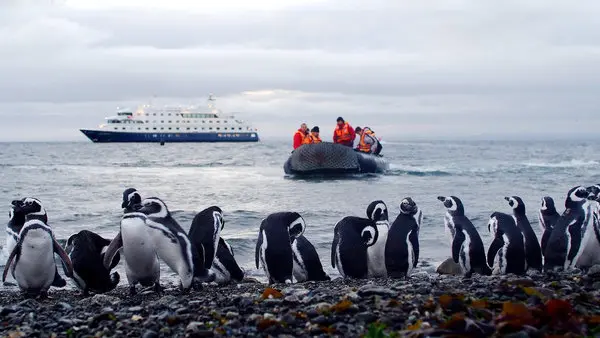
The world’s southernmost city, Ushuaia, is the gateway to Antarctica and a dream destination for those who love remote, icy landscapes. A cruise through the Beagle Channel offers encounters with sea lions, penguins, and even orcas.
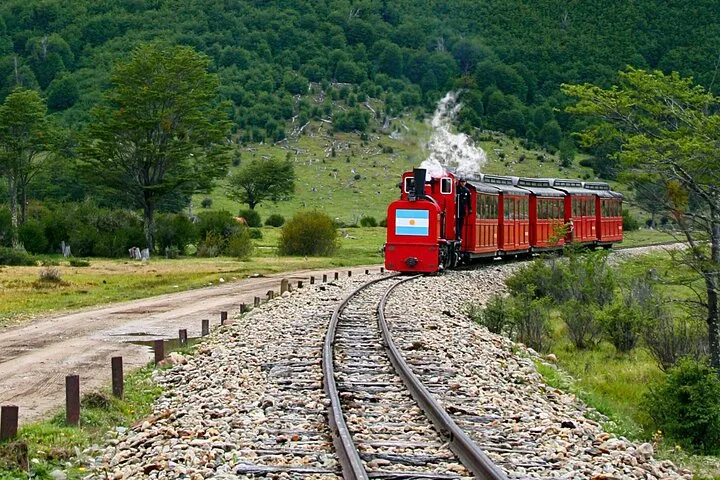
Top Experiences: Visit Tierra del Fuego National Park, sail to Penguin Island, and take the End of the World Train.
Best Time to Visit: November to March for warmer weather and wildlife sightings.
5. The Carretera Austral – Chile’s Best Road Trip
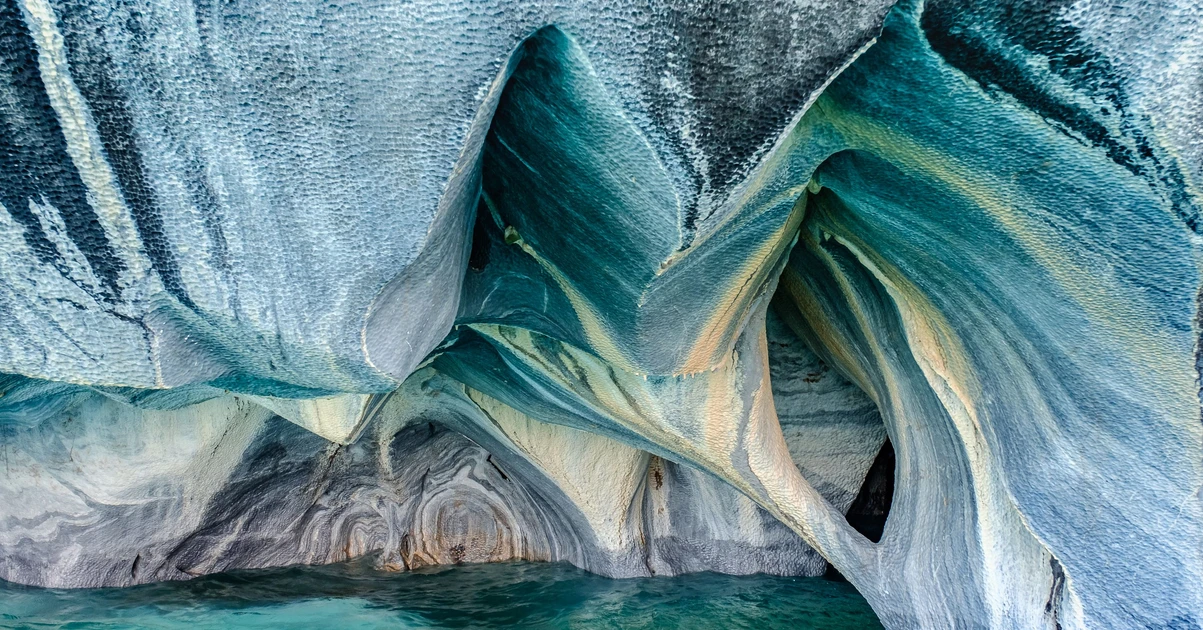
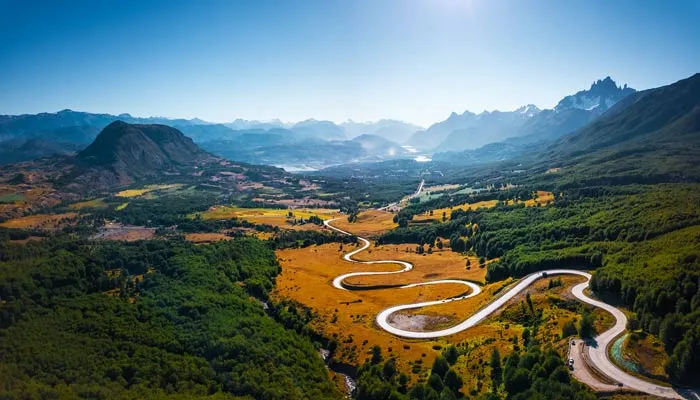
For those seeking the ultimate adventure, the Carretera Austral is Patagonia’s wildest road trip. This scenic route winds through forests, fjords, and glaciers, revealing hidden gems like the Marble Caves and the Queulat Hanging Glacier.
Top Stops: Cerro Castillo, General Carrera Lake, and Pumalín National Park.
Best Time to Visit: December to March for clear roads and good weather.
Best Things to Do in Patagonia
Glacier Trekking: Walk on the surface of ancient ice in Perito Moreno or on Exploradores Glacier in Chile.
Wildlife Watching: Spot pumas, condors, guanacos, and Magellanic penguins in their natural habitat.
Horseback Riding with Gauchos: Experience Patagonia’s cowboy culture with a traditional estancia stay.
Chasing the Milky Way: With little light pollution, Patagonia offers some of the best stargazing on Earth.
Essential Travel Tips for Patagonia
Pack for All Seasons: Patagonia’s weather is unpredictable. Layers, waterproof gear, and windproof jackets are essential.
Book in Advance: Popular treks and lodges fill up fast, especially in Torres del Paine and El Chaltén.
Currency: Chile uses the Chilean Peso, and Argentina uses the Argentine Peso. ATMs can be scarce in remote areas, so carry cash.
Getting Around: Renting a car is the best way to explore freely, but buses are available for budget travelers.
Frequently Ask Questions:
1. Is Patagonia expensive to visit?
Patagonia can be pricey due to its remote location, but budget-friendly options exist. Camping, public buses, and hostels help reduce costs.
2. What is the best time to visit Patagonia?
October to April is ideal for hiking and outdoor adventures. If you prefer fewer crowds, visit in shoulder months (October-November or March-April).
3. Do I need a visa to visit Patagonia?
Most travelers from the US, Canada, and Europe do not need a visa for short stays in Argentina or Chile. However, always check entry requirements before travel.
4. Is Patagonia safe for solo travelers?
Yes! Patagonia is considered safe, and the hiking culture means you’ll always meet friendly fellow travelers on the trails.
5. How many days do I need in Patagonia?
A minimum of 7–10 days is recommended to see key highlights, but for a deep dive, two to three weeks is ideal.
Patagonia is not just a destination; it’s an experience that stays with you forever. Whether you dream of hiking among towering peaks, standing before massive glaciers, or simply breathing in the crisp, unspoiled air, now is the time to visit. Pack your bags, lace up your boots, and let Patagonia’s magic unfold before your eyes.
Which Patagonian adventure is calling your name? Share your travel plans in the comments below!